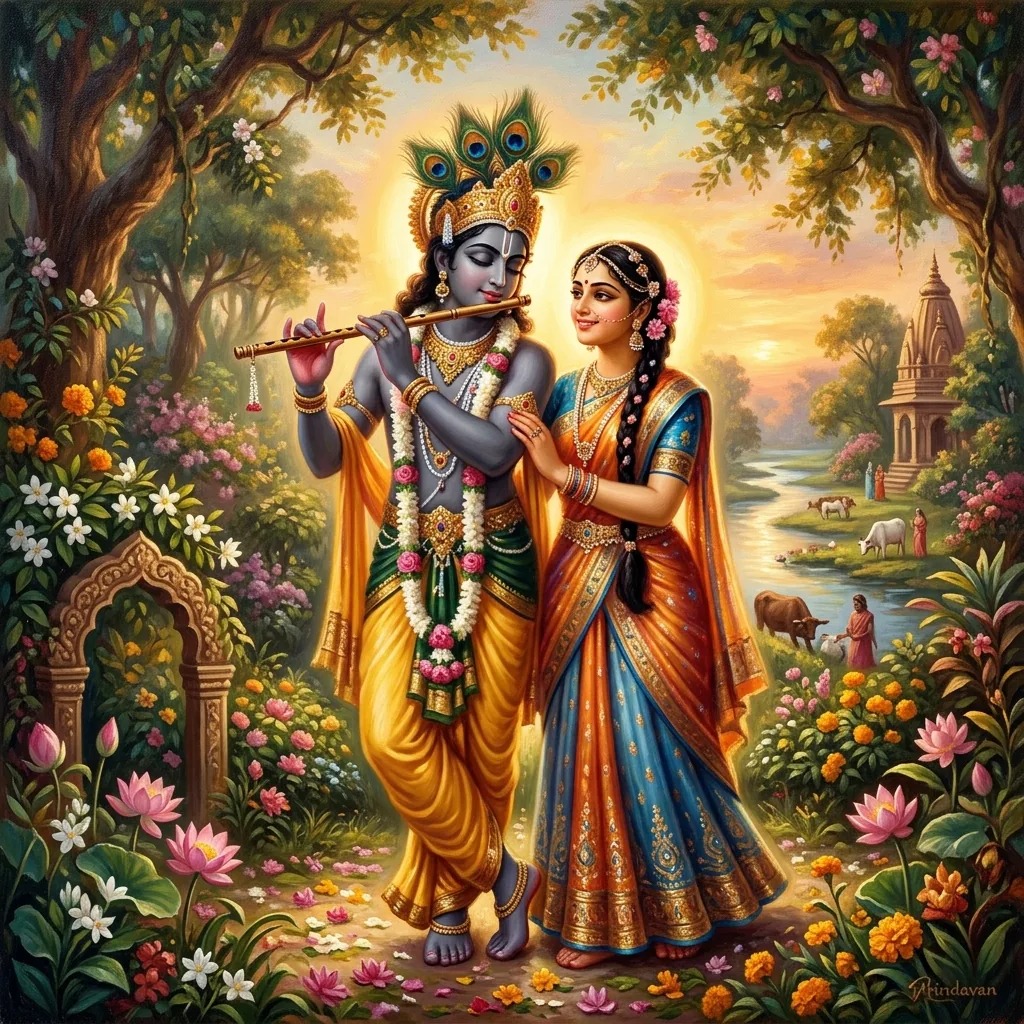
In the epic battlefield of Kurukshetra, the great warrior Arjuna was paralyzed by anxiety and moral dilemma. This ancient crisis mirrors the chronic stress and overwhelm many face in modern professional and personal lives. Lord Krishna's timeless counsel in the Bhagavad Gita provides a profound psychological and spiritual framework to overcome this.
The Art of Detached Action
The core message of Krishna is Nishkama Karma - action without attachment to the fruits. Much of our stress arises from our obsession with results: Will I get the promotion? Will this project succeed? Krishna advises us to focus entirely on our effort (our Karma) and surrender the outcome to the Divine.
Equanimity in Success and Failure
Another powerful tool against stress is cultivating 'Samatvam' or equanimity. By treating success and failure, praise and criticism as equal, the mind remains unshakeable. Next time you feel overwhelmed, take a deep breath and remind yourself: You only have the right to work, not to its fruits.
कुरुक्षेत्र के महाकाव्य युद्ध के मैदान में, महान योद्धा अर्जुन चिंता और नैतिक दुविधा से पंगु हो गए थे। यह प्राचीन संकट आधुनिक पेशेवर और व्यक्तिगत जीवन में कई लोगों द्वारा सामना किए जाने वाले पुराने तनाव को दर्शाता है। भगवद गीता में भगवान कृष्ण का कालातीत परामर्श इसे दूर करने के लिए एक गहन मनोवैज्ञानिक और आध्यात्मिक ढांचा प्रदान करता है।
अनासक्त कर्म की कला
कृष्ण का मूल संदेश निष्काम कर्म है - फलों के प्रति आसक्ति के बिना कार्य। हमारा अधिकांश तनाव परिणामों के प्रति हमारे जुनून से उत्पन्न होता है। कृष्ण हमें पूरी तरह से अपने प्रयास (हमारे कर्म) पर ध्यान केंद्रित करने और परिणाम परमात्मा को सौंपने की सलाह देते हैं।
सफलता और विफलता में समता
तनाव के खिलाफ एक और शक्तिशाली उपकरण 'समत्वम' या समभाव पैदा करना है। सफलता और विफलता, प्रशंसा और आलोचना को समान मानने से मन अडिग रहता है। अगली बार जब आप अभिभूत महसूस करें, तो एक गहरी सांस लें और खुद को याद दिलाएं: आपको केवल कर्म करने का अधिकार है, उसके फलों का नहीं।